





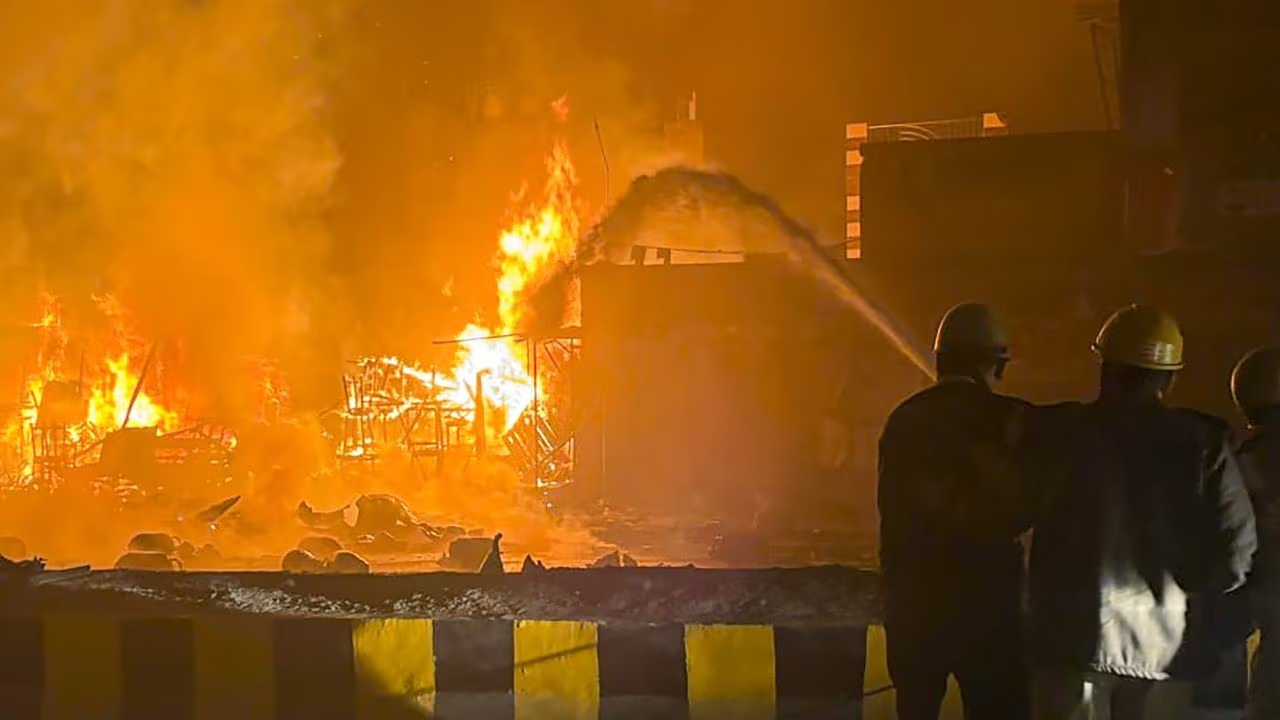
Fires and Gas Explosions at Home: Home is where we feel safest, but even the most well-maintained homes are not immune to sudden dangers like fires and gas explosions. In recent times, the surge in domestic gas-related accidents has reignited public interest in understanding home insurance coverage. While fire and explosion hazards are rare, their consequences can be devastating—leading to loss of property, valuable assets, and, at worst, lives. Hence, having a robust home insurance policy can serve as a vital financial shield.
Experts emphasize that standard home insurance policies, including the Bharat Griha Raksha policy, often include coverage for accidental fires and gas explosions. This means policyholders don’t always need to purchase separate add-ons for these particular risks. However, being informed about what your policy includes—and more importantly, what it excludes—is crucial for seamless and timely claim settlement. From the paperwork required to coverage limits and exclusions, every detail matters when you’re trying to recover from an unfortunate incident.
Krishna Kumar Pathipaka, National Head – Property & Engineering Claims at Digit Insurance, notes that gas explosions and accidental fires are generally considered as part of basic insurance coverage. He highlights the fact that most homeowners do not require separate endorsements or riders for these events. Udayan Joshi, COO at SBI General Insurance, echoes the sentiment and confirms that even fires caused due to electrical short-circuits typically fall under standard policies. So, whether it’s a faulty gas line or a sparking plug point, your home insurance could be your financial lifesaver—if you’ve understood your policy well.
Who Can Apply for Home Insurance Covering Fires and Gas Explosions?
Almost anyone who owns a residential property can apply for home insurance. This includes:
- Homeowners – Individuals owning independent houses, apartments, or bungalows.
- Tenants – Renters can apply for content-only insurance to protect their belongings.
- Landlords – Those who rent out homes can protect the structure and property.
- Housing Societies – Entire buildings or societies can apply for group home insurance plans.
It is advisable to apply for insurance immediately after acquiring property or renewing existing policies annually to ensure continuous protection.
Insurance Fees and Premiums
Premiums for home insurance are calculated based on multiple factors:
- Property Value and Area
- Construction Type (Pucca or Kachcha)
- Location (Urban, Tier-2, Rural)
- Inclusion of Content Insurance
- Add-on Covers like Earthquake, Burglary, etc.
Typical premiums range from ₹100 to ₹500 per lakh per annum for structure-only coverage. Comprehensive plans that include both structure and contents cost higher but offer broader protection.
Also read: Smart Ways to Reduce Insurance Premiums Without Losing Coverage – Expert Tips for Policyholders
How to Use the Insurance (During Claims)
Using your home insurance during an emergency involves a few critical steps:
- Immediate Notification: Inform your insurer immediately after the fire or explosion.
- Documentation: Provide photographs, FIR (if applicable), and fire brigade reports.
- Surveyor Visit: Insurer appoints a surveyor to assess damages.
- Claim Settlement: Once verified, claims are processed within 7–30 working days.
Always maintain a digital and physical record of all valuable assets and home documents to simplify the claim process.
Benefits of Home Insurance Covering Fire and Explosions
Here’s why it’s wise to get covered:
- Financial Security: Prevents huge out-of-pocket expenses for repairs or rebuilding.
- Protection Against Accidents: Covers damages caused by gas leaks, electric fires, or short circuits.
- Peace of Mind: Knowing your assets and property are insured relieves stress.
- Coverage for Contents: Includes furniture, electronics, appliances, and jewelry if content insurance is chosen.
- Temporary Accommodation: Some policies reimburse temporary living expenses.
How to Apply for Home Insurance
Applying is simple and can be done both online and offline. Here’s how:
Online Process:
- Visit the insurer’s official website (e.g., SBI General, Digit, ICICI Lombard).
- Choose the type of home insurance (structure only or comprehensive).
- Fill out property and personal details.
- Choose coverage amount and add-ons.
- Pay the premium and receive policy documents instantly via email.
Offline Process:
- Visit a nearby insurance branch or licensed agent.
- Fill out the application form.
- Submit ID, address proof, and property documents.
- Pay via cheque or cash.
- Receive physical policy documents.

Important Dates
While home insurance can be applied for year-round, the best time is immediately after property purchase or during festive discounts when many insurers offer reduced premiums. Always note:
- Policy Tenure: 1 year (renewable) to 5 years (long-term plans available).
- Claim Filing Period: Usually within 7–15 days post-incident.
- Policy Activation: Starts immediately or within 24–48 hours of premium payment.
Disclaimer
This article provides general information for educational purposes only. Specific policy features, coverage, exclusions, and pricing vary by insurer and region. Always read the policy brochure and terms and conditions before buying. For personalized advice, consult a licensed insurance advisor or visit the insurer’s official website. IRDAI Official Website – Guidelines
Fires and Gas Explosions at Home Conclusion
In an unpredictable world, home insurance emerges as a powerful safeguard against unexpected damages caused by fires and gas explosions. Whether triggered by a faulty electrical wire or a gas leak in the kitchen, these hazards can cause irreversible loss and financial burden. Fortunately, most standard insurance policies in India offer solid protection—provided you understand the inclusions and exclusions.
Many homeowners overlook the finer details of insurance, thinking of it only during disasters. This reactive approach can lead to complications during claims. By staying proactive and familiarizing yourself with policy clauses, you can secure not just your home but your peace of mind.
With rising incidents of gas leaks and domestic fires, investing in a comprehensive home insurance plan is no longer optional but essential. It not only protects your physical property but also cushions you from emotional and financial stress.
So, take charge today—get insured, stay informed, and live confidently knowing your home is protected from fire and explosion risks.
Fires and Gas Explosions at Home FAQs
1. Are all types of fires covered under home insurance?
Most accidental fires, including those caused by electrical faults, gas leaks, and kitchen mishaps, are covered. However, intentional fires or damage due to war, terrorism, or illegal activities are usually excluded.
2. Do I need to buy add-on coverage for gas explosions?
In most cases, no. Standard home insurance policies like the Bharat Griha Raksha include coverage for gas explosions. Always confirm with your insurer to ensure the specific peril is listed in the base policy.
3. Will the policy cover damages to personal belongings as well?
Yes, if you have opted for content insurance along with structure coverage. This will protect household items like electronics, furniture, and even jewelry, subject to the policy limit.
4. How long does it take to get a claim settled for fire or explosion damage?
Insurers typically appoint a surveyor within 48 hours of reporting. Claims are usually processed and settled within 7 to 30 working days, provided all documents are in order.
5. Can tenants also get home insurance for fire protection?
Yes, tenants can purchase content-only insurance that covers their belongings against fire, gas explosion, and other risks. Structural damage would still be the landlord’s responsibility.